
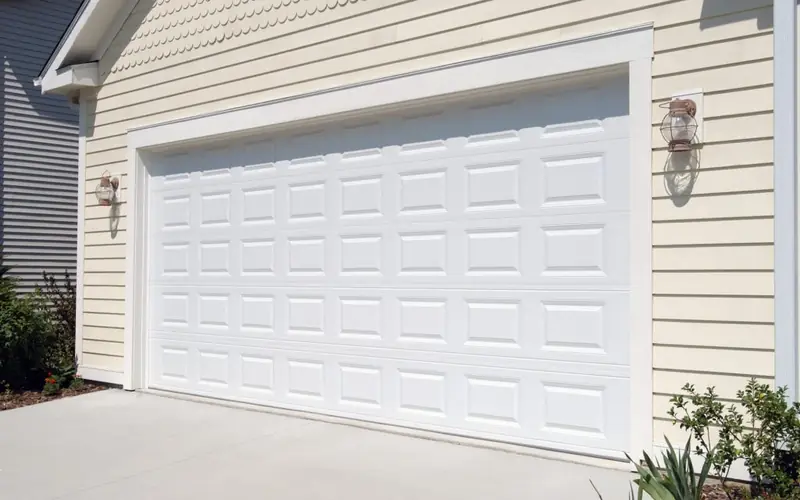
Why garage door colour carries so much visual weight
On most homes, the garage door is the single largest flat coloured surface visible from the street — often larger than all the windows and the front door combined. That means the colour choice has an outsized effect on how the whole façade reads, for better or worse. A well-chosen colour can visually anchor the house; a poorly chosen one can make an otherwise attractive home look disjointed.
Matching colour to exterior material
- Red or orange-toned brick (common across many older Ottawa neighbourhoods like Alta Vista and parts of Nepean): warm-toned garage door colours — deep charcoal, warm black, forest green, or a rich brown — tend to complement red brick better than cool blues or greys, which can clash with the brick's warmth.
- Grey or buff-toned brick and stone (common in many newer subdivisions): cooler colours — slate grey, black, deep navy — pair naturally, though warm tones like a soft taupe can also work well as a complementary contrast.
- Vinyl or fibre-cement siding: siding colour is usually more flexible to design around than brick since it was chosen alongside the trim and door colours originally. Match the door to the trim colour for a cohesive look, or to an accent colour for contrast.
- Stucco: lighter stucco tones generally pair well with both dark, high-contrast garage doors and mid-tone complementary colours — stucco's neutral base gives more flexibility than brick.
Current colour trends worth considering
Deep charcoal and near-black tones remain extremely popular across newer Ottawa builds, particularly in areas like Kanata Lakes and Findlay Creek, because they read as modern and pair with almost any exterior colour. Warm greens and deep blues are also gaining ground as homeowners look for something distinctive without going as stark as black. Classic white and cream tones remain a safe, timeless choice, especially for traditional-style homes, though they show winter road grime more visibly than darker tones.
Practical Ottawa-specific considerations
- Road salt and winter grime show up more on light colours. White and cream doors need more frequent washing to stay looking clean through a salty Ottawa winter compared to mid-tone or darker finishes.
- South and west-facing doors take more sun exposure. If your garage door faces strong afternoon sun, ask about UV-resistant factory finishes, especially if you're considering a darker colour.
- Snow reflection changes how a colour reads for months of the year. A colour that looks great against green grass and foliage can look different against a snow-covered lawn and grey winter sky — worth viewing a sample swatch in winter light if you're deciding during that season.
Coordinating with windows, trim, and hardware
Colour choice doesn't happen in isolation. Decorative hardware (handles, hinges) in black or oil-rubbed bronze reads differently against a light door than a dark one, and window trim colour should generally coordinate with either the door colour or the home's existing trim. See our companion post on garage door window options for how glass and trim choices interact with colour.
Testing before you commit
The single best piece of advice: view an actual physical sample against your home's real exterior in daylight before finalizing a colour. Paint chips and online renderings routinely look different once seen full-size against real brick, siding, or stone in Ottawa's specific light. We bring real samples to every in-home consultation for exactly this reason.
See how door colour choices play out on real installed doors in our gallery, and browse full colour and style options in our Door Guide. If you're also weighing whether a new door is worth it for resale, see our post on does a new garage door increase resale value.
How lighting changes how a colour reads
The same garage door colour can look meaningfully different depending on the direction it faces and the time of day it's typically viewed. A north-facing door gets flatter, cooler light throughout the day, which can make some colours look slightly duller than a colour chip suggested. A south or west-facing door gets warmer, more direct light, especially in late afternoon, which can make colours appear richer or, in the case of very dark colours, occasionally almost black in bright sun. Viewing a sample at the actual time of day you'll most often see the door — often when arriving home after work — gives the most realistic impression.
Finish type matters alongside colour
Beyond the colour itself, finish sheen affects how the door presents. A higher-gloss finish reflects more light and can make small dents or surface imperfections more visible, while a matte or low-sheen finish tends to hide minor wear better over the years — a practical consideration in a climate where road salt and general wear accumulate steadily.
Coordinating with the rest of your exterior palette
Beyond just brick or siding, consider how the garage door colour relates to your roof shingle colour, your front door, and any exterior trim. A cohesive exterior palette generally uses no more than three to four coordinated tones across the whole façade — trying to make every element a distinct colour statement usually reads as busy rather than intentional.
A practical way to test before committing
Request or bring home an actual physical colour sample rather than relying solely on a printed brochure or website image, and view it against your home at different times of day over a couple of days if possible. This small extra step catches most colour-mismatch regrets before they become an expensive mistake.
Seasonal appearance: judging colour year-round
Ottawa's landscape changes dramatically across the seasons — green lawns and foliage for roughly half the year, snow cover for a significant portion of the rest. A colour that looks striking against summer greenery might read differently against a white winter backdrop. Neutral to mid-tone colours tend to hold up well visually across both seasons, while very saturated or unusual colour choices can look better in one season than the other. Worth a moment's thought if you want the door to look good year-round rather than during just one season.
How much does colour choice actually cost?
Standard factory colour options are typically included in a door's base price, while custom or premium colour matching (matching a specific paint code, for instance) can add a modest cost. If budget is tight, choosing from a manufacturer's standard colour range still offers plenty of genuinely attractive options without the custom-match premium.
Bringing your own inspiration
If you've seen a colour on a home elsewhere in Ottawa, or in a photo online, that you'd like to try to match, bring that reference to your consultation. We can usually identify a close standard match or discuss custom-match options, and having a concrete reference point makes the whole colour conversation faster and more productive than starting from a blank slate.
A decision worth taking your time on
Colour is one of the few garage door decisions that's genuinely difficult to change later without significant cost, so it's worth taking a little extra time upfront — viewing samples in different light, sleeping on a shortlist of two or three options — rather than deciding in the moment during a single showroom visit.
Trends versus timeless choices
Certain colours trend in and out of popularity — deep charcoal and black have been strongly in favour in recent years, for instance. A trending colour can look great, but classic neutral tones (white, standard grey tones, and colours that closely match or complement existing trim) tend to age better over the full lifespan of a door, which often runs well past when any given trend has moved on.
How siding and brick tone should guide your choice
A home with warm-toned brick or siding (reds, browns, warm beiges) generally pairs well with warmer neutral door colours, while a home with cooler-toned materials (greys, cool whites, some newer composite sidings) tends to look more cohesive with a cooler-toned door colour. Choosing a door colour with an undertone that clashes with your home's existing material palette is one of the most common colour-selection mistakes we see, even when the individual colour looks perfectly nice in isolation.
Dark doors and heat absorption: a practical consideration
Very dark garage door colours absorb more direct sunlight and can run measurably warmer to the touch on a sunny day than lighter colours — generally not a functional problem for the door itself, but worth knowing if you're installing in full, unobstructed south or west sun exposure, since some manufacturers have specific guidance or warranty conditions around darker colour options in high-sun applications.
Ready to bring samples to your home? Call (613) 884-1488 to book a free in-person colour consultation.